Sauna & Cold Plunge Contrast Therapy: How to Build a Hot-and-Cold Wellness Routine at Home
Sauna & Cold Plunge Contrast Therapy
A home sauna and cold plunge can work well as separate pieces of wellness equipment. Used together, they create a hot-and-cold routine often referred to as contrast therapy.
For homeowners building a dedicated wellness space, the appeal is simple: warm up, cool down, reset, and repeat if desired—without leaving home.
The best setup is the one that fits your space, electrical requirements, water access, climate, and the way you realistically plan to use it.
What Is Sauna and Cold Plunge Contrast Therapy?
Contrast therapy generally refers to alternating between periods of heat and cold.
In a home wellness setting, that usually means moving between a sauna and a cold plunge.
A simple routine can look like this:
- Spend time in the sauna
- Move to the cold plunge
- Rest and return toward a comfortable temperature
- Repeat the cycle if desired
There is no single setup that works for everyone. The sauna type, cold plunge, temperatures, location, and session length all depend on personal preference and the equipment being used.
For beginners, comfort and consistency matter more than pushing extremes.

Why Homeowners Pair Saunas and Cold Plunges
The biggest advantage of a combined sauna and cold plunge setup is convenience.
Instead of driving to a gym, spa, or recovery facility, the entire routine can become part of your home.
A dedicated hot-and-cold space can work especially well:
- Beside a pool
- On a covered patio
- In a home gym
- In a large bathroom or wellness room
- In a finished basement
- In a dedicated backyard retreat
The goal is not simply to fit two pieces of equipment into the same area. The space should make moving between heat, cold, and rest easy.

Choose the sauna side of the setup
Your sauna determines much of the character of the experience.
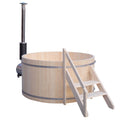
Traditional Sauna
heat the air inside the room using a sauna heater.
They may be a good fit if you want:
- Higher room temperatures
- A classic sauna experience
- Indoor or outdoor options
- Barrel or cabin designs
- Larger seating layouts
Infrared Sauna
Infrared saunas use infrared heating elements and generally operate at lower room temperatures.
They may appeal to homeowners looking for:
- Compact indoor installation
- Lower ambient temperatures
- One- or two-person options
- Modern controls
- Simpler residential placement in some cases
Choose the cold plunge side
Choose the Right Cold Plunge
A cold plunge is more than a tub filled with cold water.
For regular home use, compare:
- Insulation
- Water capacity
- Chiller compatibility
- Drainage
- Filtration
- Cleaning access
- Indoor or outdoor rating
- Electrical requirements
- Space around the tub
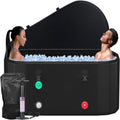
Some cold plunge tubs depend heavily on ice, while others are designed to work with a water chiller.
For frequent use, a chiller-compatible setup can make temperature management easier and more consistent.
Placement and setup
Sauna and Cold Plunge Placement Matters
The best home contrast setup makes it easy to move safely between heat, cold, and rest.
Plan for:
- A slip-resistant floor surface
- Drainage for the cold plunge
- Electrical access for both pieces of equipment
- Ventilation if the setup is indoors
- Enough room to open doors and service equipment
- A short, clear path between the sauna and plunge
Do not assume both products can share one outlet. Check the manufacturer requirements for each piece and use a licensed electrician when needed.